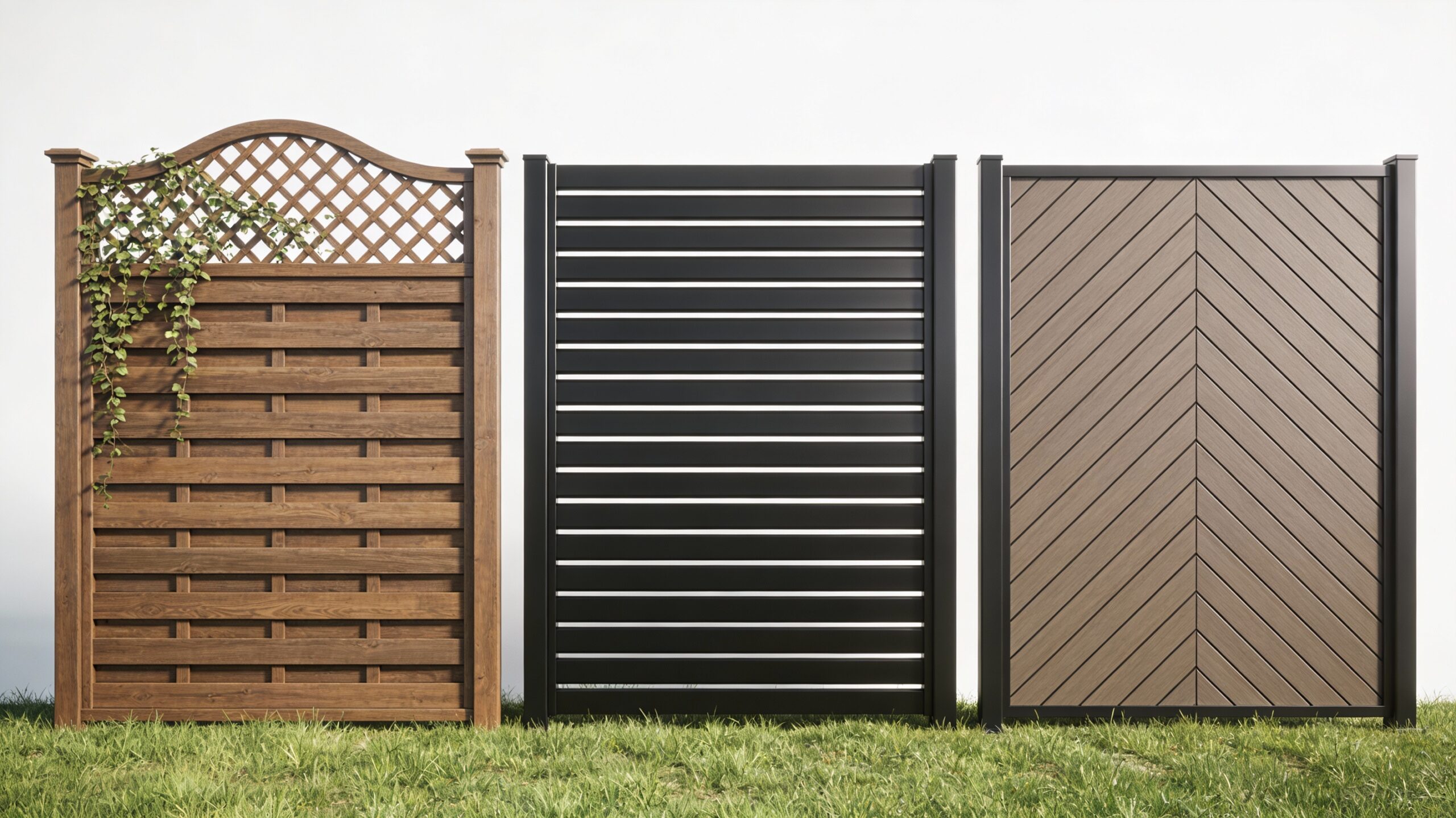
Decorative fence panels are one of the easiest ways to get real privacy in your yard without sacrificing style or curb appeal. When you choose them wisely—material, height, pattern, and color—you get a fence that blocks views, cuts noise, and still looks like a design feature, not a wall.
What Are Decorative Fence Panels?
Decorative fence panels are pre‑made sections of fencing that combine privacy, security, and design in one package. Instead of plain vertical boards, they often include patterns, lattice tops, slats, or mixed materials to create visual interest while still defining your boundary.
Common styles include:
- Solid privacy panels with a decorative top (lattice, arches, or cut‑outs)
- Slatted or “shadowbox” panels that block direct views but allow airflow
- Patterned screens in metal, composite, or recycled plastic with laser‑cut or molded designs
For SEO, related keywords here: decorative fence panels, privacy fence panels, modern garden fence, backyard privacy fencing, stylish fence ideas.
Step 1: Decide Your Privacy Level
Before looking at Pinterest‑style designs, decide how much privacy you actually need. A family with a pool or hot tub has very different requirements from someone just wanting to hide bins or an AC unit.
Think about:
- Full privacy: Solid 6–8 ft panels with tight board spacing or interlocking slats that eliminate gaps.
- Semi‑privacy: Slatted or lattice designs that blur the view but let in light and air—great for front yards or patios.
- Screening specific spots: Standalone decorative panels to hide pool equipment, garbage cans, or a neighbor’s window.
Related keywords: full privacy fence, semi privacy panels, garden privacy screens, outdoor privacy ideas.
Step 2: Choose the Right Height
Fence height is one of the biggest drivers of both privacy and local approval, so it needs to be decided early. Most residential privacy fences fall between 6 and 8 feet, but front yard and HOA rules can be stricter.
General guidelines:
- 4–5 ft: Good for front yards and decorative boundaries where you still want visibility.
- 6 ft: The most popular backyard privacy height; enough to block views from nearby neighbors on level lots.
- 7–8 ft: Best if your yard is next to a busy road, a taller building, or a sloping property where neighbors look down into your space.
On slopes, use stepped or racked panels so you avoid big gaps at the bottom while keeping a clean top line. Keywords to sprinkle: fence height for privacy, 6 foot privacy fence, tall garden fence panels.
Step 3: Pick the Best Material
Your material choice affects lifespan, maintenance, noise reduction, and overall style. The best decorative fence panels balance durability with the look of your home and landscape.
Main options:
- Wood: Warm, natural, easy to customize with stain or paint; needs sealing to resist rot and UV damage.
- Vinyl (PVC): Low maintenance, clean look, great for solid privacy; limited color range but very durable.
- Composite: Mix of wood fibers and plastic; looks like wood with better fade and rot resistance.
- Metal (steel, aluminum, corrugated panels): Modern, sleek, very strong; great for hybrid designs with wood frames.
- Patterned panels (recycled plastic, decorative screens): Lightweight and stylish for accent fences and feature walls.
Keywords: wood vs vinyl fence, composite fence panels, metal privacy fence, low maintenance fencing.
Step 4: Match Panel Style to Your Home
Once privacy and material are clear, focus on fence panel design that complements your architecture. A beautifully designed privacy fence should feel like a continuation of the house, not an afterthought.
Popular decorative styles:
- Lattice or trellis tops: Solid lower section with an open, patterned top to keep things light and elegant.
- Single or double slatted panels: Clean horizontal or vertical lines that suit modern homes and create interesting shadows.
- Herringbone, chevron, or board‑on‑board patterns: Add texture and a high‑end custom look while blocking views.
- Laser‑cut metal or decorative screens: Bold patterns for feature walls, patios, and small courtyards.
Keywords: modern privacy fence designs, horizontal fence panels, lattice fence panels, decorative garden fencing.
Step 5: Prioritize Strength and Structure
Many homeowners obsess over panel style and forget that posts and framing actually decide how long the fence survives storms and time. A decorative panel on weak posts will sag, lean, and crack long before its advertised lifespan.
Structural basics:
- Use at least 4×4 posts, set one‑third of their length into concrete for stability.
- Keep post spacing in the 6–8 ft range; closer spacing is better for heavy or tall panels and high‑wind zones.
- For 6 ft fences, two rails are standard; for 8 ft or heavier decorative panels, use three rails or a mid‑rail for extra support.
Keywords to include: durable fence panels, strong fence posts, long lasting privacy fence, wind resistant fencing.
Step 6: Blend Beauty With Landscaping
Decorative fence panels do their best work when they’re integrated into the garden, not just lined along the property line. The right combination of plants and panels gives you layered privacy and a more natural look.
Ideas that work:
- Use lattice or Omega‑style panels as a backdrop for climbing plants like roses, ivy, or jasmine.
- Combine solid panels at eye‑level with lighter designs or open slats on top to keep sunlight and airflow.
- Create “privacy pockets” using standalone decorative screens around seating areas, hot tubs, or outdoor showers.
Keywords: garden fence ideas, fence with plants, decorative privacy screen, backyard design with fence.
Step 7: Think Maintenance and Budget Long‑Term
A fence is not just a one‑time cost. The cheapest option upfront can become expensive if it needs constant repairs, repainting, or early replacement. Matching your fence to your maintenance appetite will save time and money over years.
Maintenance considerations:
- Wood usually needs staining or sealing every few years, especially in harsh sun or damp climates.
- Vinyl and composite panels cost more initially but usually require only occasional washing.
- Hybrid designs—metal plus wood—let you keep the parts that weather quickly (wood) to a minimum.
Keywords: low maintenance fence panels, fence cost per linear foot, long lasting fence materials.
Step 8: Check Local Rules and Neighbors
Decorative or not, fences are regulated. Ignoring local rules can mean fines or tearing down a brand‑new fence. A quick check saves a lot of headache and keeps neighbor relationships healthy.
Key things to verify:
- Maximum allowed height in front and back yards.
- Distance from property lines and any easements or utility access points.
- Whether “good side” (finished side) must face the neighbor or street.
Keywords: fence regulations, fence height rules, neighbor friendly fence, boundary fence laws.
Step 9: Trending Decorative Fence Ideas for 2025
If you want a design that feels current yet timeless, watch the trends but filter them through your home’s style. Current privacy fence trends focus strongly on mixing materials, bold patterns, and softer, more natural colors.
Trends worth considering:
- Hybrid fences using corrugated metal with warm cedar frames for a modern‑rustic look.
- Dark‑stained or painted fences (charcoal, black, deep brown) as a backdrop to bright landscaping.
- Patterned and decorative panels used selectively as focal points instead of along the entire perimeter.
Keywords: 2025 fence trends, modern privacy fence ideas, hybrid fence design, decorative metal panels.
Step 10: Quick Checklist Before You Buy
To keep this practical, here is a simple pre‑purchase checklist you can adapt for your own project:
- Have you defined full vs semi‑privacy for each zone of your yard?
- Does the chosen height comply with local regulations and match your privacy needs?
- Is the material suitable for your climate and maintenance preference?
- Does the panel style complement your house architecture and garden design?
- Are posts and framing specified for strength, not just looks?
If you can tick all of these boxes, you are far more likely to end up with decorative fence panels that truly deliver both privacy and beauty over the long term.
Use this article’s related keywords naturally across headings, subheadings, alt text, and meta description to help rank for searches like “decorative fence panels for privacy”, “best privacy fence designs”, and “how to choose fence panels”.
privacy fence panels.
stylish fence ideas.
Privacy fence ideas.